
Moving House With Pets: A Complete, Stress-Free Guide Backed by Expert Tips

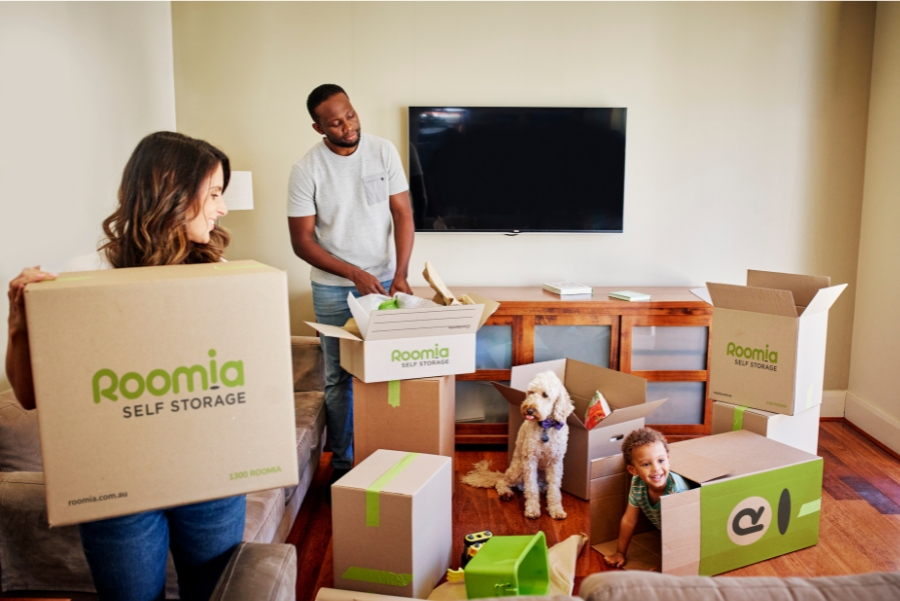
Moving house brings excitement about new beginnings, but for pets, it represents disruption to everything familiar. Dogs, cats, and other companion animals thrive on routine and recognisable surroundings. When their environment changes suddenly, even well-adjusted pets can experience anxiety. The good news? With thoughtful planning and expert-backed strategies, you can make your move significantly less stressful for your furry, feathered, or scaly family members.
This comprehensive guide walks you through every stage of moving with pets, from preparation weeks before the move to helping them settle into your new home. Whether you’re moving locally or interstate, these practical house moving tips will help ensure a smooth transition for both you and your pets.
Why Moving House Can Be Stressful for Pets
Understanding why pets struggle during moves helps you prepare better and respond to their needs with empathy. Pets rely heavily on familiar smells, sounds, and routines to feel secure. RSPCA Australia explains that companion animals read our body language, so when you’re visibly stressed during a move, it can be upsetting for them as well.
Cats view their home as their territory, marked with their scent. When that territory suddenly disappears, it triggers anxiety. According to Petbarn’s veterinary guidance, cats may show stress through excessive grooming, urinating outside the litter box, or refusing food.
Dogs experience stress differently. The disruption to their routine combined with increased household activity can lead to restlessness, excessive barking, or destructive behaviours. Research notes that behavioural changes often include decreased appetite and house soiling, even in previously housetrained dogs.
Birds and small mammals like rabbits don’t cope well with stress due to their high heart rates. Reptiles and fish require stable conditions, making moves particularly challenging. These stress behaviours aren’t misbehaviour; they’re communication that your pet needs help adjusting.
Preparing Your Pet Before Moving Day
Preparation makes all the difference. Starting weeks in advance dramatically reduces stress for everyone involved.
Keep feeding times, walk schedules, and play sessions exactly as they’ve always been. Greencross Vets recommends sticking to usual routines as much as possible, as this helps pets feel that not everything is changing at once. These small acts of normalcy provide anchors of stability.
Introduce packing materials gradually rather than suddenly filling your home with boxes. Bring a few boxes in two to three weeks before the move. Let pets investigate at their own pace. Pack room by room rather than creating chaos throughout the entire house simultaneously.
If you’re moving large furniture items that will be in storage before or after your move, consider using furniture storage to stage the transition. This allows you to move furniture out gradually while keeping your pet’s immediate environment relatively stable. For valuable items and important documents, contents protection provides added security during the moving period.
Create a dedicated quiet room for your pet that remains as normal as possible throughout packing. This space should contain their bed, favourite toys, water bowl, and for cats, their litter box. Place a sign on the door reminding family members this room is off-limits.
If your pet isn’t already comfortable in a carrier, now is the time to change that. Place the carrier in a common area with the door open. Put treats inside. Feed meals near the carrier. Gradually increase the time your pet spends inside with the door closed, always with positive associations.
Schedule a vet visit two to three weeks before your move. Request copies of your pet’s complete health records and vaccination certificates. Ensure all vaccinations are current, as stress can weaken immune systems.
Update your pet’s identification immediately. Change ID tags to include your new address and current phone number. Update your pet’s microchip registration. RSPCA advises checking where your pet’s microchip is registered through Pet Address, then contacting your registry like Australasian Animal Registry to update details.
Pack a dedicated bag for your pet containing food, water, bowls, medications, waste bags, litter and litter box, toys, bedding, a leash, and recent photos. Keep this bag accessible, not packed in the moving truck.
Many pet owners find that personal storage solutions help simplify the moving process by allowing them to move non-essential items gradually. This means less chaos at home during the final packing stages, which significantly reduces stress for pets who are sensitive to environmental disruption.
Managing Your Pet on Moving Day
Moving day brings maximum stress for pets. Constant door openings, unfamiliar people, furniture disappearing, and loud noises create anxiety triggers.
The safest option is arranging for your pet to stay with trusted friends, family, or at a boarding facility on moving day. This completely removes them from the chaos.
If your pet stays with you, confine them securely in a quiet room or crate away from the main activity. Mark the door clearly with “PET INSIDE – DO NOT OPEN” to prevent movers from accidentally letting your pet escape. Set up this room with water, a light meal, bedding, and toys. Check on your pet regularly but minimise disruptions.
Feed pets lightly on moving day to reduce the risk of travel-related nausea. For dogs, take a long morning walk before movers arrive. Physical exercise helps reduce anxiety and excess energy.
Transporting Pets Safely
Safe transport protects your pet from injury and reduces stress during the journey.
Australian law requires pets to be properly restrained during car travel. Victorian government regulations require that dogs be adequately restrained, either in appropriate carriers, secured with crash-tested harnesses, or behind cargo barriers. Cats should always travel in secure carriers fastened with seatbelts.
RSPCA Queensland reports that hundreds of dogs are injured annually after falling from vehicles. Unrestrained pets become projectiles in accidents, endangering themselves and passengers.
Place carriers in the back seat, never in the front where airbags pose a risk. Never transport pets in moving trucks where temperatures, fumes, and lack of ventilation create dangerous conditions. If you’re coordinating a move that requires multiple vehicle trips, Roomia’s free move-in van hire can help with your belongings, allowing you to dedicate your personal vehicle solely to your pet’s safe transport. Monitor vehicle temperature carefully and never leave pets unattended.
For longer journeys, plan regular stops every two to three hours. Offer water, allow bathroom breaks, and give pets a chance to stretch. Keep dogs on leads during stops.
Interstate moves may have quarantine or health certificate requirements. Contact your destination state’s agriculture department well in advance to understand specific regulations.
Helping Your Pet Settle Into Their New Home
The work doesn’t end when you arrive. Pets need time and support to adjust.
Set up a transition room when you first arrive, similar to the safe space at your old home. Choose a quiet room and immediately set up your pet’s bed, toys, water, food, and litter box. Let familiar scents ground them.
For cats, keep them confined to this single room for 24 to 48 hours. Visit frequently and let them adjust at their own pace. Once comfortable, gradually allow access to additional rooms over several days.
Dogs typically explore more readily but still benefit from controlled introduction. Walk your dog through each room on a lead, allowing them to sniff and investigate safely.
Re-establish routines immediately. Feed at normal times, maintain walking schedules, and keep bedtime routines consistent. Conduct a thorough safety check. Inspect fencing for gaps, check windows have secure screens, and ensure no toxic plants or dangerous items are accessible.
Be patient with temporary behavioural changes. House-trained pets may have accidents. These reactions are normal and typically improve within a few days to weeks.
Cats must be kept indoors for at least two weeks before being allowed outside. This gives them time to recognise the new house as home. For dogs, start neighbourhood walks immediately to help them learn the area’s smells.
Additional Tips for Different Types of Pets
Different species have unique needs during moves.
Moving With Dogs
Maintain exercise routines rigorously. Tired dogs cope better with stress. Keep identification current and visible. Even well-behaved dogs can bolt through open doors when frightened. During settling in, supervise outdoor time carefully, as dogs sometimes attempt to return to familiar territory by jumping fences.
Moving With Cats
Cats’ territorial nature makes moves particularly challenging. Keep cats indoors for at least two to three weeks after moving. Create multiple hiding places in your new home. Don’t force interaction; let them emerge when ready. Avoid washing bedding before the move. Familiar smells provide comfort. Watch for stress behaviours like excessive grooming or appetite changes.
Moving With Birds, Rabbits, Guinea Pigs, Fish, and Reptiles
Birds become stressed by environmental changes. Cover cages partially during transport to reduce visual stimulation. Small mammals have high heart rates and stress quickly. Keep them in familiar enclosures with minimal handling. Fish require sealed bags or containers with original tank water. Reptiles need careful temperature and humidity management. Transport in secure, ventilated containers with appropriate heat sources if necessary.
Common Mistakes to Avoid When Moving With Pets
Letting pets roam during moving day creates escape risks. Open doors and distracted movers make it easy for frightened pets to bolt.
Packing pet essentials too early leaves owners scrambling. Food, medications, and comfort items should be the last things packed.
Changing food brands during the move can cause digestive upset. Stick with familiar brands throughout the moving period.
Overlooking travel breaks during long-distance moves affects wellbeing. Plan regular stops for water and bathroom breaks.
Allowing cats outdoors too soon risks them becoming lost. Without time to establish territory, cats will attempt to return to their previous home.
Failing to update microchip details before moving means lost pets can’t be returned to you. RSPCA Queensland emphasises that outdated registration details are as bad as no microchip.
Moving With Pets Checklist
Before the Move (2-4 weeks ahead)
- Schedule vet visit for health check and records
- Update pet microchip registration with new address
- Order new ID tags with updated contact information
- Begin carrier training
- Research pet policies at new location
- Start packing gradually
- Create safe space room
- Maintain normal routines
Moving Day
- Feed pets light meal only
- Take dogs for long walk before activity begins
- Confine pets to quiet room or arrange off-site care
- Place signage on pet room door
- Transport pets in your personal vehicle, never in moving trucks
After Arrival
- Set up pet transition room first
- Conduct safety check of house and yard
- Re-establish normal routines immediately
- Keep cats confined initially for 24-48 hours
- Supervise all outdoor access
- Keep cats indoors for 2-3 weeks minimum
- Monitor for stress behaviours
- Maintain patience as pets adjust
For a complete moving house checklist and more practical advice, visit our storage tips and guides section.
Final Thoughts: Making Your Move Easier for You and Your Pet
Moving house with pets doesn’t have to be overwhelming. The key is preparation, patience, and understanding your pet’s unique needs during this major life transition. By starting early, maintaining routines, ensuring safe transport, and supporting gradual adjustment, you create the foundation for a successful move.
Remember that every pet is different. Some adjust quickly to new environments, while others need weeks to feel truly at home. Watch for your pet’s individual signals and adjust your approach accordingly. If stress behaviours persist beyond a few weeks, consult your veterinarian for professional guidance.
The effort you invest in planning a pet-friendly move pays dividends in reduced stress for everyone. Your pets depend on you to help them navigate changes they don’t understand. With empathy, preparation, and these expert-backed moving house tips, you can ensure your entire family settles happily into your new home.
Need extra space while preparing for your move? Explore Roomia’s secure personal storage solutions to simplify your transition. Our modern facilities across Australia can temporarily house belongings, giving you breathing room to focus on what matters most during your relocation. Find self-storage near you or browse our full range of storage tips and guides for more moving advice.
Related Storage Tips
Storing electrical items
Find out the best ways to store electrical items such as sound systems, TVs and computers.


Business Storage advice
Get valuable advice on how best to store your business records and sensitive documents.