
The Ultimate Interstate Moving Guide: Your Step-by-Step Checklist for a Smooth Move

Moving interstate transforms your life in ways a local move never could. You’re leaving behind familiar streets, trusted services and perhaps even family members, all while coordinating logistics across state borders. The good news? With proper planning and a solid moving house checklist, your interstate relocation can be straightforward and stress-free. This guide breaks down everything you need to know, from early planning to settling into your new state.
Why Interstate Moves Need a More Detailed Checklist
Interstate moving brings challenges that local relocations simply don’t encounter. According to the Australian Bureau of Statistics, approximately 180,000 to 220,000 Australians relocate between states each year, each facing unique coordination challenges.
Your belongings spend days in transit rather than hours, requiring superior packing standards. Items travelling 10–15 hours across highways need double-walled boxes and professional-grade cushioning. Long-distance logistics demand precise coordination of pickup dates, delivery windows and access requirements—even small miscommunications can result in costly delays.
Each Australian state maintains distinct rules for vehicle registration, driver’s licence transfers and utility connections. Missing these deadlines can result in fines or service interruptions. Interstate removalists also book out weeks in advance during peak seasons, making early planning crucial.
Your Interstate Moving House Checklist (Step-by-Step)
This comprehensive moving house checklist organises your tasks by timeline, ensuring nothing gets overlooked.
8–12 Weeks Before Moving
- Research interstate removalists with experience in your specific route
- Compare detailed quotes covering materials, labour, transport and insurance
- Begin decluttering moving interstate costs more per cubic metre, so reduce what you’re transporting
- Book travel and accommodation aligned with removalist schedules
- Start gathering packing supplies professional interstate packing requires sturdy double-walled boxes
- Notify your landlord with proper written notice if renting
6 Weeks Before Moving
- Pack non-essential items starting with storage areas and seasonal belongings
- Label boxes clearly with room destination, contents and handling instructions
- Organise transit insurance for added protection during long-distance moves
- Confirm moving dates and delivery windows with your removalist
- Arrange vehicle or pet transport if needed
4 Weeks Before Moving
- Update your address with banks, ATO, Medicare, insurance providers and subscriptions
- Use up perishables to minimise food waste
- Pack room by room to maintain organisation
- Review your budget including travel, accommodation and transfer fees
- Reconfirm pickup and delivery details with your removalist
2 Weeks Before Moving
- Disassemble furniture and keep all parts in labelled bags
- Complete packing except daily-use areas
- Set up mail redirection through Australia Post
- Prepare an essentials box with toiletries, medications, chargers and important documents
- Arrange storage if needed to bridge timing gaps between move-out and move-in dates
Moving Week & Moving Day
- Pack remaining essentials and overnight bags
- Complete final cleaning and property inspection
- Use your checklist to track last-minute tasks
- Stay in contact with removalists and be present during loading
- Do a final walkthrough before the truck departs
Choosing the Right Interstate Removalists
Quality removalists protect your belongings and reduce moving stress. Look beyond the bottom-line price to understand what’s included—packing materials, insurance, handling stairs or awkward items.
Transit timelines vary significantly by route and service type. Get clear estimates in writing from your removalist and build in buffer time to account for potential delays from weather, road conditions, or peak season traffic.
Red flags include large deposits before moving day, vague contracts and pressure to sign immediately. Reputable removalists provide transparent quotes and welcome questions.
Packing Tips for an Interstate Move
Interstate packing demands more attention than local moves:
- Use double-walled boxes for durability during long-distance transport
- Wrap fragile items in multiple layers packing paper first, then bubble wrap
- Create a clear labelling system with room, contents and handling instructions
- Pack electronics carefully in original boxes when possible
- Never pack dangerous goods, valuables or medications in the truck
- Prepare a “first night” box for immediate necessities
Professional packing materials designed for interstate moves protect contents from vibration and impact during extended travel.
How Long Does an Interstate Move Take?
Understanding realistic timeframes helps you plan accommodation, work arrangements and settlement timing. Transit times vary significantly based on the route, distance and service type you choose.
Typical Interstate Transit Times
| Route | Direct Transport | Backloading Service |
|---|---|---|
| Sydney to Melbourne | 2–3 days | 3–5 days |
| Brisbane to Sydney | 3–4 days | 4–6 days |
| Melbourne to Perth | 7–9 days | 9–12 days |
| Adelaide to Brisbane | 5–7 days | 7–9 days |
| Perth to Brisbane | 5–7 days | 7–10 days |
| Adelaide to Melbourne | 1–2 days | 2–3 days |
These estimates include loading, travel and rest breaks. Peak moving seasons, weather conditions and route quality all affect duration. Build 2–3 extra days into your timeline to accommodate unexpected delays without stress.
Backloading services, where your belongings share truck space with other loads, may extend delivery time by a few extra days but can save up to 50% on costs. The truck makes multiple stops to consolidate or deliver other customers’ items. If speed is essential, dedicated truck services offer faster delivery at a premium price.
Understanding Interstate Moving Costs
Distance drives base pricing using cubic metres multiplied by kilometres. A studio apartment moving Melbourne to Sydney costs $2,000–3,500, while a four-bedroom home ranges $8,000–12,000.
Additional costs include:
- Professional packing: $500–2,000 depending on home size
- Travel and accommodation: $1,000–3,000 for families
- Vehicle registration transfers and driver’s licence fees varying by state
- Short-term storage when timing doesn’t align
Decluttering before your move reduces costs more effectively than any other strategy.
Should You Use Self Storage When Moving Interstate?
Storage solves several common interstate challenges:
Delayed settlement between selling and purchasing properties
Temporary accommodation works better without full household contents
Downsizing decisions benefit from testing your new space first
Renovations before move-in protect furniture from damage
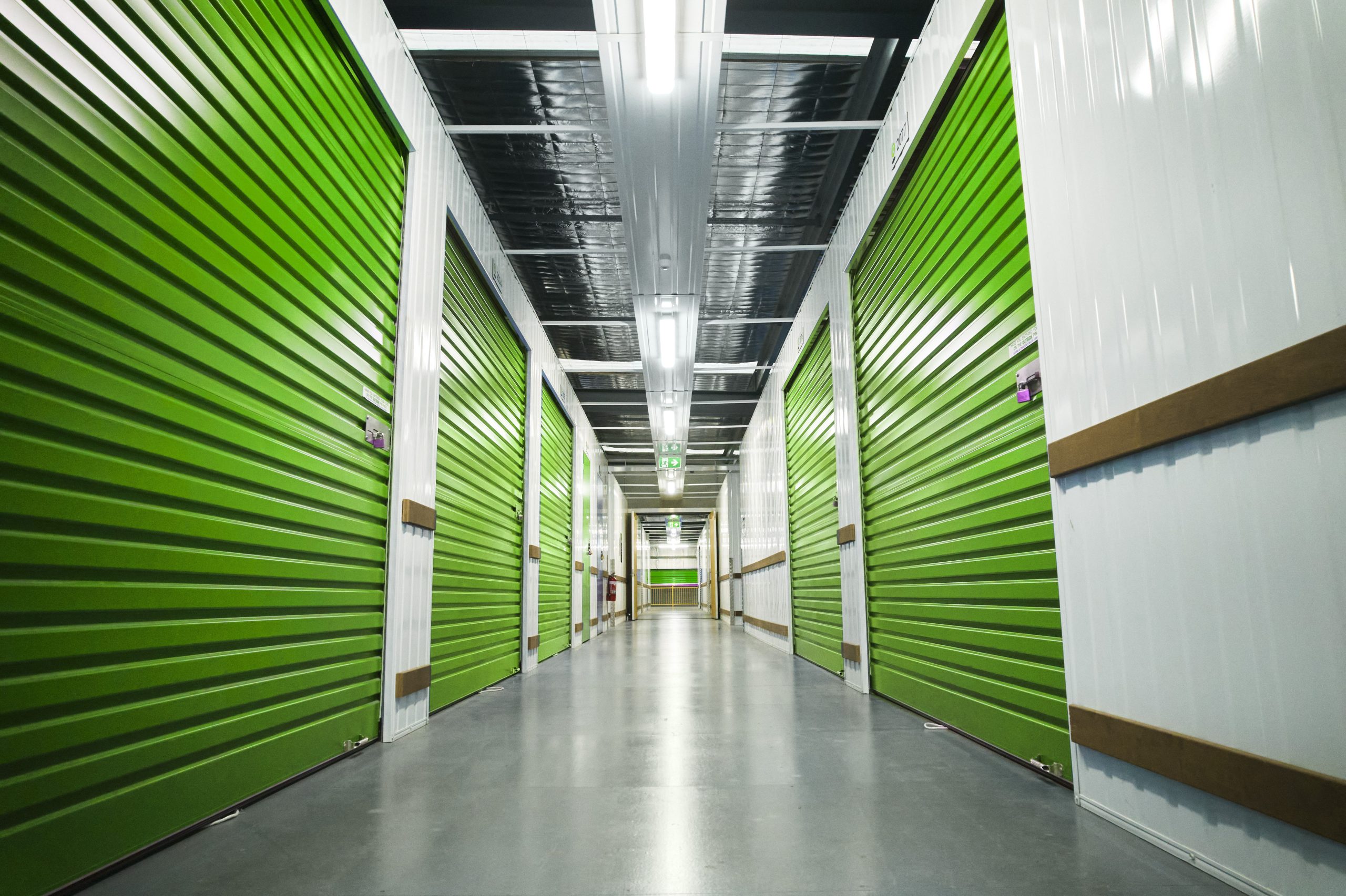
Roomia’s storage solutions offer 24/7 access, advanced security and no lock-in contracts. With facilities across Australia, you can find a location near your origin or destination to make your transition smoother.
Moving Interstate with Kids, Pets or Vehicles
Kids need maintained routines and emotional preparation. Involve them in age-appropriate tasks and address concerns honestly about their new area.
Pets require crate familiarisation, health certificates and regular breaks during travel. Research pet-friendly accommodation along your route.
Vehicles must be re-registered within state-specific timeframes. Queensland requires 14 days, while South Australia and Western Australia allow three months. Bring current registration papers, proof of identity and proof of residence when updating your details.
Settling into Your New State
After arrival, prioritise:
- Updating registrations and licences within required timeframes
- Registering with GP, schools and childcare to transfer records
- Connecting utilities at least two weeks before arrival
- Unpacking strategically—bedroom and kitchen first for immediate functionality
- Exploring your area to locate essential services and community facilities
Final Moving House Tips for a Smooth Interstate Move
Start planning 8–12 weeks ahead to secure the best removalists and avoid rushed decisions. Stick to your moving house checklist, label everything clearly and prepare an essentials kit for immediate access. Keep important documents in a safe folder that travels with you, not in the truck.
When timing doesn’t align perfectly, consider Roomia’s flexible storage options for secure, accessible solutions during your transition. Your interstate move represents a significant life change, but proper planning transforms potential chaos into an organised, manageable process. Start early, stay organised and embrace the adventure ahead in your new state.
Related Storage Tips

Storing electrical items
Find out the best ways to store electrical items such as sound systems, TVs and computers.


Business Storage advice
Get valuable advice on how best to store your business records and sensitive documents.