
How to store baby clothes in a self storage unit

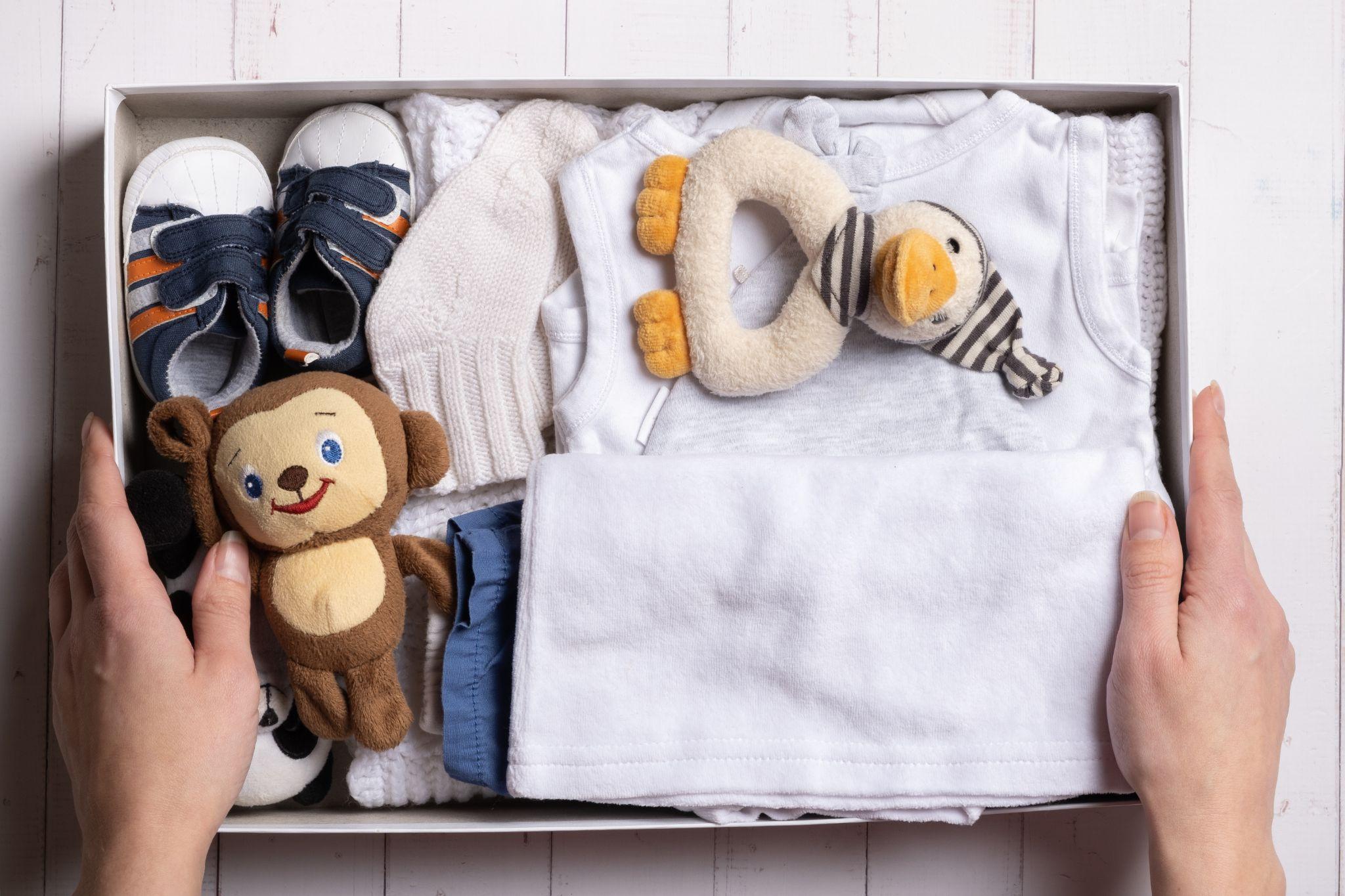
Australian parents face unique storage challenges that can turn precious keepsakes into expensive disappointments. Between coastal humidity that breeds mould overnight, UV rays that fade delicate fabrics, and those sneaky pests that view organic cotton as fine dining, protecting baby clothes requires more than just shoving them in the spare room wardrobe.
Smart baby clothes storage isn’t just about making space – it’s about preserving those irreplaceable memories and practical items for future children, grandchildren, or simply keeping special pieces that mark important milestones.
Key Takeaways:
- Clean first, store second: Even spotless-looking clothes carry invisible milk residues and natural oils that attract pests and cause permanent staining. A proper wash and complete dry prevents most storage disasters.
- Size matters for organisation: Sort by age ranges (newborn, 0-3m, 3-6m) in clearly labelled containers. Simple photo inventories on your phone beat complex cataloguing systems every time.
- Choose containers wisely: Acid-free archival boxes prevent yellowing for decades. Breathable cotton bags work well for everyday storage. Plastic containers trap moisture – avoid them for long-term storage.
- Natural protection works best: Cedar blocks and lavender sachets keep moths away safely. Chemical mothballs are toxic around baby items and can damage plastic containers while leaving stubborn odours.
- Professional storage makes sense: When home storage can’t provide consistent conditions, purpose-built climate-controlled facilities protect investments that simply can’t be replaced.
Here’s how to keep those precious little outfits looking perfect, using techniques that work in Australia’s challenging conditions.
Getting Your Baby Clothes Ready for Storage
Proper preparation makes all the difference when storing baby clothes long-term. Taking care during this stage ensures your items stay in excellent condition and ready to use when needed.
Every single piece needs washing, even items that look immaculate. Baby clothes are magnets for invisible residues – milk proteins, spit-up remnants, natural skin oils, and food particles that aren’t visible but create serious problems during storage. These nasties attract pests and cause permanent staining once they set in warm storage conditions.
Use your regular baby-safe detergent but add an extra rinse cycle to eliminate soap residue completely. For special pieces like christening gowns or handmade outfits, professional cleaning might seem expensive, but it’s insurance against irreversible damage.
Stains need immediate attention – what looks minor now becomes permanent after months in storage, especially in Australia’s warm, fluctuating conditions.
If you’re preparing items as part of a house move, our moving house checklist includes practical tips for managing every step of the journey.
Baby Clothes Preparation Checklist
Pre-Storage Requirements:
Every item washed with baby-safe detergent
All stains treated and removed completely
Items completely dried (24-48 hours in humid conditions)
Sorted by size and type categories
Valuable items identified for special preservation
Photography documentation of special pieces completed
Organisation Documentation:
Container contents lists created
Digital inventory with photos maintained
Labels prepared with clear descriptions
Retrieval system planned for future access
What Are the Best Container Options for Baby Clothes?
Container choice directly impacts preservation success. Different materials offer distinct advantages, and understanding these differences prevents costly mistakes that could ruin precious items.
For Everyday Seasonal Storage: Cotton storage bags provide natural breathability while protecting against dust and insects. They’re flexible enough to fit awkward spaces and their natural fibres actually help repel pests without chemicals.
For Special Pieces and Long-Term Storage: Acid-free archival boxes offer museum-quality protection that prevents yellowing and fabric breakdown over years. While the upfront cost is higher, they’re ideal for wedding dresses, christening gowns, and family heirloom linens.
What to Avoid: Standard plastic containers trap moisture like nobody’s business, creating perfect mould conditions in humid weather. They also off-gas chemicals that can affect delicate fabrics over time. If plastic is your only short-term option, choose food-grade containers and include silica gel packets.
Some Vacuum Storage Limitations and Guidelines:
- Critical Time Restrictions: Vacuum-sealed bags must not be used beyond 6 months for quality preservation. Beyond this timeframe, permanent creasing, compression damage, and potential mould issues develop.
- Natural Fibre Damage: Cotton, wool, and other natural fibres can be permanently deformed by vacuum compression. The compressed state prevents fibres from returning to their original structure, ruining texture and appearance.
- Appropriate Applications: Use vacuum storage only for moves, seasonal transitions, or temporary space constraints under 6 months. Prioritise synthetic fabric items over natural fibres when vacuum sealing is necessary.
How Do You Prevent Pests and Maintain Storage Quality?
Australian conditions make pest problems common, with clothes moths, silverfish, and carpet beetles viewing your linen collection as an all-you-can-eat buffet. Natural deterrents work effectively without introducing toxic chemicals around items that touch your family’s skin.
Natural Pest Deterrent Strategies
Cedar Protection Systems: Red cedar blocks and rings provide effective, natural moth and insect deterrence. Cedar’s effectiveness can be refreshed by light sanding to restore aromatic oils. Australian options include sustainably harvested American red cedar and native Huon Pine.
Lavender and Essential Oil Solutions: Lavender sachets offer a pleasant fragrance while deterring insects. Cedar oil, lavender oil, and eucalyptus oil on cotton balls provide natural deterrence without toxic chemicals.
Environmental Prevention: Thoroughly vacuum and clean storage areas before placing containers. Remove all debris, dust, and potential food sources that attract insects. Proper container sealing prevents pest access more effectively than chemical deterrents.
Dangerous Chemical Deterrents to Avoid
Mothball Toxicity: Traditional naphthalene mothballs are toxic to children and pets, causing serious health issues if ingested. These chemicals can soften plastic containers and create persistent odours that are difficult to remove from fabrics.
Health and Safety Risks: Breathing mothball fumes can cause illness, particularly in enclosed storage areas. The chemicals can also react with baby clothing fibres, causing permanent damage and potential health hazards.
Environmental Monitoring and Control
Moisture Management: Use silica gel packets for localised moisture control within containers. These can be refreshed by baking at 150°C for reuse. DryPet dehumidifier sheets provide effective moisture absorption in storage environments.
Regular Inspections: Check stored items every 6-12 months for signs of pest activity, moisture problems, or environmental changes. Early detection prevents widespread damage and allows corrective action before problems become serious.
Container Maintenance: Inspect containers for cracks, seal integrity, and pest intrusion during regular checks. Replace damaged containers immediately to maintain protection levels.
Finding the Best Storage Option for Your Baby Clothes
Where you store your items, and how you set up the space, makes all the difference to long-term preservation. A well-chosen facility safeguards fabrics and keepsakes, while poor conditions can undo even the best packing efforts.
Professional vs Home Storage
Added security features such as CCTV, coded access, and on-site managers give peace of mind when storing sentimental or high-value collections.
By contrast, home setups like basements, garages, or attics often suffer from wide swings in heat and moisture. Even spare rooms inside the house lack the continuous monitoring and protection of professional storage, leaving delicate fabrics at risk of mould, fading, or permanent damage.
Weighing Up the Costs
While professional storage typically ranges from $50 to $200 per month, depending on size and location, the cost is often justified when compared to replacement values. A single quality baby outfit or heirloom linen set can cost $20–$50 to replace, and once damaged, many sentimental items are irreplaceable.
Storage Cost Breakdown
Facility Costs:
- Small units (1-2 sqm): $50-100/month
- Medium units (3-5 sqm): $100-150/month
- Large units (6+ sqm): $150-200+/month
- Metropolitan area premium: 20-40% above regional pricing
Container and Material Investment:
- Acid-free preservation kits: $30-100 per collection
- Cotton storage bags: $40-80 for complete sets
- Cedar pest deterrents: $15-30 for natural protection
- Vacuum storage bags: $15-50 for multi-pack options
Long-Term Value Calculation: Compare storage costs against replacement values and sentimental worth. Quality baby clothing collections often represent $500-2,000+ in replacement costs, making professional storage economically justified.
Setting Up Your Space for Success
Whether at home or in a professional unit, the way you arrange items also impacts preservation. Containers should be raised off concrete floors using pallets or shelving to reduce moisture transfer and temperature shock. Keep storage areas dark and shielded from UV exposure, as sunlight can cause fibres to fade and weaken over time. Layout matters too: keep frequently accessed items near the entrance so you can retrieve them without constantly moving other boxes, reducing wear and tear.
Making It Easy to Find What You Need Later
Let’s be realistic: you’re not going to remember what’s in every box three years from now. But with a few simple tricks, you won’t be digging through everything just to find that special outfit for the next bub.
Keep It Simple with Labels
Forget fancy spreadsheets – most busy parents don’t have time for that! Instead, try these practical approaches:
- Quick photo on your phone of what’s in each box before you close it up
- Simple labels like “0-6 months everyday clothes” or “12-18 months winter gear”
- Tape a list to the outside of each box – just write down the main items inside
Think About What You’ll Actually Need
Put the boxes you’re most likely to open near the front of your storage unit. This usually means:
- Newborn to 12-month sizes if you’re planning another baby soon
- Special occasion outfits like christening gowns or party dresses
- Seasonal items you might need to access regularly
Plan for Your Growing Family
If you’re thinking about having more children, consider how you want to organise things. Some parents find it helpful to keep everything from one child together, while others prefer sorting by size across all kids. There’s no right way – just whatever makes sense for your family.
Access When You Need It
With Roomia’s flexible storage options, you can access the storage whenever it suits your schedule. No need to plan weeks ahead or work around restrictive access hours. Perfect for busy parents juggling everything else.
The key is keeping your system simple enough that you’ll actually stick to it, not so complicated that it becomes another chore on your endless to-do list.
It’s All About Preparation
Proper storage of baby clothes requires investment in appropriate facilities, containers, and techniques, but the rewards, preserving precious memories and practical items for future use, make this investment invaluable. The difference between successful preservation and heartbreaking loss often comes down to understanding environmental requirements and choosing appropriate professional storage solutions.
The key to success lies in recognising that baby clothes aren’t just fabric—they’re irreplaceable memories that deserve museum-quality preservation. Climate-controlled storage, proper preparation, and systematic organisation ensure these precious items remain perfect for future children or as cherished keepsakes for decades to come.
Ready to give your precious baby clothes the preservation they deserve? With flexible access and professional security, your most treasured memories stay safe and ready for the next generation. Find your closest Roomia storage location and discover why Australian families trust us to protect their most precious keepsakes.
Related Storage Tips
Storing electrical items
Find out the best ways to store electrical items such as sound systems, TVs and computers.


Business Storage advice
Get valuable advice on how best to store your business records and sensitive documents.