
Tips for Storing Your Classic Car in Storage Long Term

Few things beat the burble of an old‑school V8 echoing down an empty country road, until the wet season rolls in and rust starts working overtime.
Caring for a classic in Australia means fighting salt air, brutal UV and sneaky rodents, all while satisfying club‑plate inspectors. Use this start‑to‑finish routine, road‑tested by Aussie enthusiasts and backed by Roomia’s secure facilities, to keep your pride and joy ready for the next Sunday cruise.
Why Proper Storage Matters to Preserve Your Vintage Car
- Rust can bubble through a stone chip in weeks if moisture lingers – once it breaks the paint, corrosion spreads under the surface and compromises structural panels.
- Forty‑degree heat and relentless UV don’t just fade paint; they turn plastic dash tops brittle, crack steering wheels and dry out door‑window seals, creating water leaks later.
- Vintage wiring is a mouse buffet; rodents chew fabric insulation, and long idle periods let batteries sulphate and tyres deform into irreversible flat spots.
- Smart, climate‑controlled storage preserves resale value and turns annual club‑plate inspections into quick paperwork instead of an expensive recommissioning.
- According to NRMA’s classic‑car guide, untreated fuel varnish clogs carburettor jets while absorbed brake‑fluid moisture lowers boiling point – two silent killers after three months of sitting.
Ready to safeguard your pride and joy? Explore our vehicle storage units to see which options suit your classic best.
Pre-Storage Preparation Checklist
Exterior detail
- Wash with pH‑neutral shampoo, flush wheel arches and blow‑dry crevices.
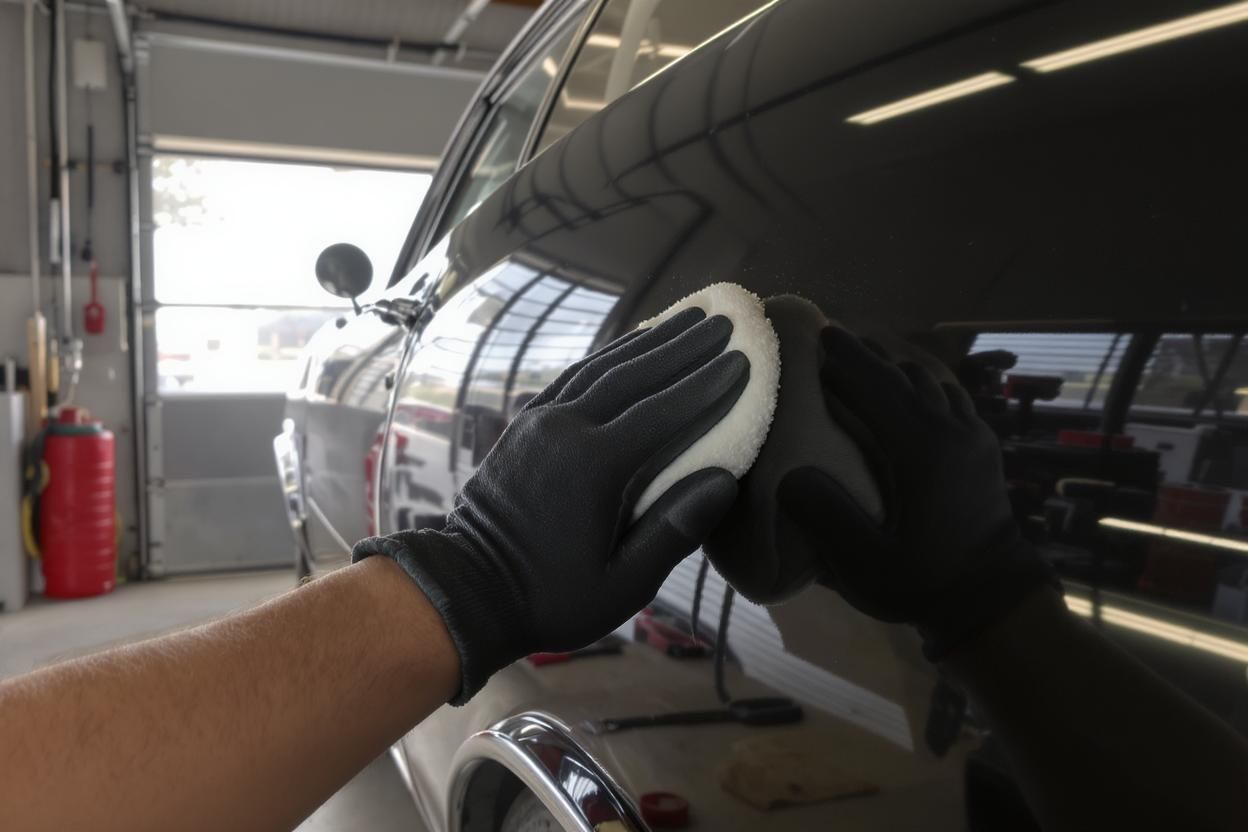
- Clay‑bar, then hand‑wax to seal pores. For concours cars, consider a ceramic coating, although costly, it resists red dust for up to two years.
Fluids and fuel
- Change engine oil, coolant and brake fluid; hygroscopic brake fluid can pit callipers during long lay‑ups.
- Fill the tank and add fuel stabiliser; idle five minutes to circulate.
- Carburettor owners: drain float bowls or run them dry.
- EFI owners: cycle injectors with ignition on to coat seals.
Battery and electrics
- Disconnect the negative lead or attach a smart trickle charger.
- Coat terminals with dielectric grease to fight corrosion.
Tyres and suspension
- Inflate to the manufacturer’s maximum and place the car on jack stands. Prefer flat‑stop cradles if you don’t want the suspension hanging.
- Rotate jack‑stand points or cradles 90 degrees each month to keep bushings even.
Interior and moisture control
- Vacuum, treat leather with pH‑balanced balm.
- Place silica‑gel packs in the cabin and boot to hold humidity below 60 per cent.
Insurance documentation
- Photograph every panel, note VIN and odometer in a dated log, and store copies off‑site. Your insurer will love the proof of condition.
The Roomia Advantage with Secure Car Storage
| What Roomia Provides | What It Means Day-to-Day | Why It Matters for Classic-Car Owners |
| 24/7 CCTV, unit alarms, Bluetooth locks | Continuous monitoring with an individual alarm on every garage door; keyless Bluetooth entry or unique pin-code entry. | Protects rare VINs, specialist parts and hard‑to‑replace trim from theft or tampering |
| Ventilated, solar‑powered buildings | LED lighting and roof‑mounted solar keep units cooler; passive airflow reduces condensation | Controls humidity swings that cause rust, mould and sticky dashboards |
| Drive‑up bays & wide driveways | Extra‑wide aisles for trailers and direct roll‑in access | No awkward 7‑point turns |
| On‑site manager | Real human on the floor seven days | Someone can spot a slow leak, a moisture puddle or a rodent issue while you’re away |
| No lock‑in contracts & online booking | Month‑to‑month billing; reserve and move in the same day via secure online portal | Store just for a season or multi‑year – only pay for the months you need |
| Unit sizes up to 9 m + outdoor hard‑stand | Enclosed “garage” bays (1.5 m × 3 m) through to 9 m RV spaces, plus outdoor hard‑stands | Fits anything from a Mini Cooper to a long‑wheelbase muscle car, with room for spares or a workbench |
Ready to see which bay will fit your pride and joy? Explore our vehicle storage units and reserve the perfect space today.
Choosing the Right Cover and Protection
- Breathable indoor cover blocks dust but lets trapped moisture escape; plastic tarps trap condensation.
- All‑weather car bubble with filtered‑air fan suits multi‑year lay‑ups.
- Silica‑gel packs under seats and ultrasonic rodent deterrents in the boot keep pests out.
Security Considerations
- Each unit is individually alarmed, with 24/7 CCTV
- On‑site managers perform regular site and lock checks
Quick‑Access versus Long‑Term Storage
Roomia’s no‑lock‑in contracts flex with your calendar. Electronic gate access never sleeps, so a dawn run to Cars & Coffee is always on the cards.
Reawakening Your Classic
- Remove the cover; inspect bodywork, engine bay and undercarriage for leaks or critters.
- Reconnect battery; test lights, gauges and horn.
- Disable ignition and crank for five seconds to circulate oil.
- Start, idle to operating temperature, then re‑check fluids and tyre pressure.
- Roll forward and back to free brakes; drive gently for the first 20 km while watching oil‑pressure and temp gauges.
Roomia Advantages for Car Enthusiasts
- Modern, secure buildings with motion lighting
- On‑site manager
- Extra‑wide driveways
- Flexible, no‑lock‑in agreements, pay by the month, leave when you like.
Frequently Asked Questions on How to Store Your Classic Car
How often should I start a stored classic?
If you’ve completed the full preparation routine (fuel stabiliser, trickle charger, tyres on stands), starting the engine every 30–45 days is ideal. This circulates oil through bearings, keeps seals lubricated and ensures the battery remains charged. If your car is in a Roomia unit with 24/7 access, you can schedule this as part of a regular visit.
Do I need to remove spark plugs for long storage?
Not for short‑term lay‑ups of up to six months. For cars stored a year or more, remove the plugs, fog the cylinders with a light oil (or specialist fogging spray) to prevent corrosion, then refit the plugs finger‑tight. This step is particularly important if you live in humid areas like Sydney or Darwin.
Can I store spare parts with the vehicle?
Absolutely. Seal parts in labelled plastic bins and keep them off the floor using shelving or pallets.
Wrapping Up
A classic deserves better than a damp carport and crossed fingers. With thorough preparation, a breathable cover and a Roomia unit, you protect both its value and the memories under its bonnet. Ready to give your pride and joy the garage it deserves? Find your closest Roomia location today!
Our team will tailor a secure, flexible space that lets you hit the road whenever the sun’s out. So if you’re ready to store your pride and joy, drop by your nearest Roomia location and Make your life Roomia.
Related Storage Tips

How to Pack a Storage Unit Like a Pro
Follow these expert tips on how to pack your storage unit to ensure your items stay safe and are easily retrievable.


How to pack artwork: Expert Tips for Moving & Safe Storage
Take these steps to properly pack and protect your artwork while in transit and storage.