
Moving Insurance Explained: What You’re Really Covered For When Moving House


Moving house ranks among life’s most stressful experiences, particularly when you consider the risk to your belongings. After years accumulating furniture, electronics, and heirlooms, handing them over to removalists can feel overwhelming. The biggest misconception? Most people assume removalists automatically cover damages. In reality, many contracts offer limited or no protection. This guide explains exactly what moving insurance covers, what it doesn’t, and how to choose the right protection.
What Is Moving Insurance? (A Simple Breakdown)
Moving insurance provides financial protection for your belongings while they’re being handled, packed, loaded, transported, or temporarily stored during relocation. It’s a safety net designed for the unique risks that come with moving house.
Here’s what surprises many Australians: removalists are not legally required to replace or repair items damaged during a move unless the damage results from proven negligence. According to the Australian Furniture Removers Association, AFRA-accredited removal companies must hold public liability, third-party property, motor vehicle, and carriers’ legal liability insurance. However, these policies primarily protect the removalist company, not your possessions.
Most removalist contracts contain clauses that limit their liability for damage or loss. When your dining table gets scratched during loading or a box goes missing, you might find yourself without recourse unless you’ve arranged proper moving insurance.
What Moving Insurance Typically Covers
Understanding what moving insurance protects requires looking at real scenarios. Coverage varies between policies, but most protect against these common situations.
Damage during loading and unloading represents one of the most frequent claims. A removalist might accidentally drop a box on the stairs, or your couch could graze the wall leaving a tear. These accidents happen even with experienced professionals.
Damage during transport creates another risk. Even when properly secured, sudden stops, potholes, or sharp turns can cause items to shift. Your TV might crack from vibration, picture frames could break from impact, or furniture could suffer scratches despite blanket protection.
Loss or theft, while less common, poses real concern for interstate moves involving overnight stops. Items can go missing during complex relocations, especially when trucks are left unattended or coordinating transfers between vehicles.
Weather damage coverage protects against natural events impacting your move. Sudden storms during loading, rain penetrating boxes, or flooding affecting parked trucks fall under this category.
Storage-in-transit damage addresses situations where belongings sit in a facility between pickup and delivery. This gap period creates additional exposure to risks like fire or water damage.
What Moving Insurance Does NOT Cover (Common Surprises)
Understanding exclusions prevents unpleasant surprises when lodging claims.
Pack-By-Owner Exclusions
When you pack your own boxes, you assume responsibility for protection quality. If your TV arrives cracked because you wrapped it only in a blanket, most policies won’t cover the damage. Similarly, glassware breaking due to insufficient padding typically falls outside coverage. Professional packing services cost more but ensure coverage validity.
Fragile Items and High-Value Goods
Delicate items like ceramics, artwork, mirrors, and antiques frequently require specialised packing. Standard insurance might exclude these entirely or require separate declarations. High-value possessions such as jewellery, musical instruments, or expensive electronics often need stated value declarations before the move. Without proper declaration, your $5,000 artwork might only receive $100-$500 standard coverage.
Pre-Existing Damage
Insurance won’t cover scratches, dents, or wear existing before the move. Taking detailed photographs before packing proves invaluable for potential claims. Prohibited items causing damage, mechanical failures without visible damage, and wear-and-tear also fall outside standard coverage.
The Different Types of Moving Insurance (And How They Work)
Accidental Damage Cover
The most common form handles everyday accidents like dropped items or doorway scrapes. It’s designed for typical mishaps during local moves with standard household items.
Comprehensive Cover
This all-rounder combines accidental damage with theft, loss, and weather protection. Ideal for interstate moves, valuable items, or complex relocations involving temporary storage.
Transit-Only Cover
Budget-friendly coverage protecting belongings only while inside the moving truck, not during loading or unloading. Suitable for those confident about handling but wanting road protection.
Storage-in-Transit Cover
Extends protection through interim storage periods between pickup and delivery, covering facility-related risks like fire, flooding, or theft.
Removalist Insurance vs Third-Party Insurance
Removalist-offered insurance provides one-stop convenience when booking your move. However, coverage levels vary significantly. Some offer only basic liability paying minimal amounts per item, while others provide comprehensive replacement value policies. The Queensland Government consumer protection guide emphasises that removalists aren’t legally required to have insurance covering your belongings.
Third-party insurance from specialist providers often offers broader protection, higher value limits, and clearer terms. These policies provide flexibility to choose any removalist while maintaining coverage. The main advantage is not being locked into one company.
When evaluating either option, request the Product Disclosure Statement, check coverage limits, verify excess amounts, confirm packing requirements, and understand the claims process.
How to Choose the Right Moving Insurance for Your Situation
Start by assessing item value through a detailed inventory. The average Australian three-bedroom home contents can exceed $60,000 in value. Check what your existing contents insurance covers, as some policies include limited transit protection. However, moving home insurance options vary significantly between providers.
Consider excess fees and claim limits when comparing policies. Excess represents your out-of-pocket payment before coverage begins. Declare high-value items upfront with valuations or receipts to prevent disputes later.
Choose between basic and comprehensive cover based on complexity. Local moves with sturdy furniture might need only basic coverage, while interstate relocations with valuable items warrant comprehensive protection. Factor in whether you’ll self-pack or use professional services, as self-packing might void certain coverage.
Tips to Reduce Damage and Lower the Chance of Claims
Prevention beats insurance claims. Use generous padding around fragile items, quality moving boxes, and appropriate furniture protection. Label everything clearly with “FRAGILE” and “THIS SIDE UP” markings. Photograph items before moving to document condition.
Check out comprehensive packing tips for detailed guidance. Consider professional packing for valuable or fragile items. While it increases your moving costs, professional packing reduces damage risk and strengthens your insurance position.
When Moving Insurance Is Essential
Interstate or long-distance moves dramatically increase damage exposure. More kilometres mean more handling and more variables. Fragile or high-value items warrant insurance regardless of distance. A broken antique or damaged piano can cost thousands to repair or replace.
Complex moves involving multiple stops or temporary storage create additional touchpoints where damage can occur. Seasonal risks like moving during heavy rain or storm-prone periods add weather-related exposure. Large family moves with extensive belongings simply have more that can go wrong.
Before confirming your move, review your moving house checklist to ensure insurance ranks among top priorities.
Final Moving Insurance Checklist
Confirm your coverage type matches your move’s complexity. Basic cover suits simple local moves; interstate relocations need comprehensive protection.
Declare high-value items separately with valuations and receipts. Understand exclusions by reading your PDS thoroughly. Check existing contents insurance for transit coverage you might already have.
Photograph belongings comprehensively before packing. Know how to lodge claims before needing to, including required documentation and timeframes. Confirm excess fees and what you’ll pay out-of-pocket.
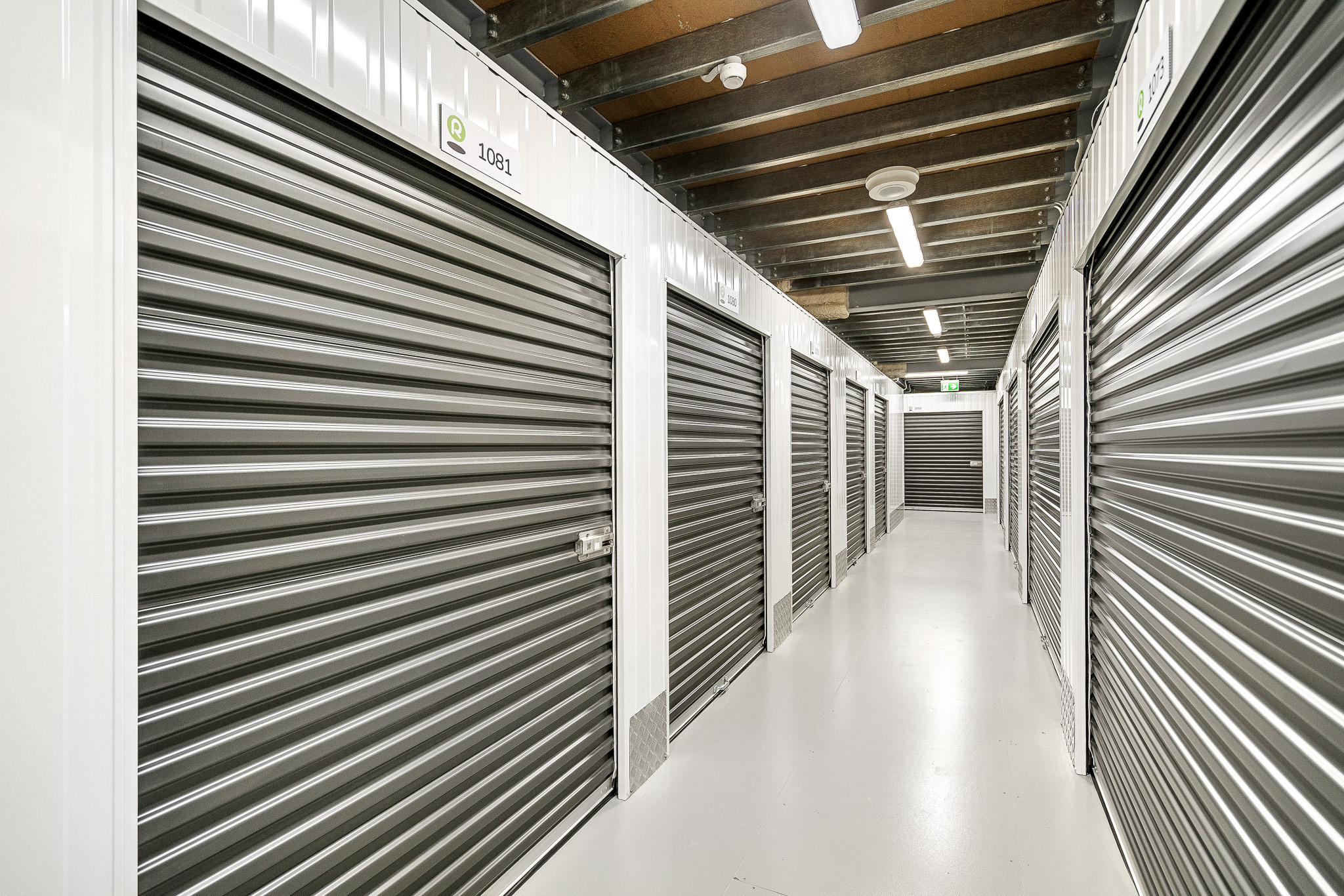
If you need storage solutions during your move, ensure insurance covers the storage-in-transit period or arrange separate coverage.
Moving house involves enough stress without worrying about belongings. Understanding moving insurance, choosing appropriate coverage, and following packing best practices gives you confidence to focus on your new home rather than constantly worrying about possessions.
Ready to simplify your move? Explore Roomia’s secure self-storage solutions for seamless transitions between homes, giving you the flexibility to move at your own pace with peace of mind.
Related Storage Tips

How Long Does It Take to Move House in Australia?
Moving house is a big life change — and for most Australians, it’s one they’ll do around 13 times in their life. While every move is different, it’s rarely stress-free: 85.3% of people say moving is stressful, and for older Australians, it’s even more challenging, with 76.5% feeling overwhelmed by clutter compared to 56.5% of younger movers. Whether you're relocating across town or starting fresh in a new state, knowing what to expect can help you plan and breathe a little easier.

How to choose a storage unit
Before renting a storage unit, ask the right questions to keep your belongings safe and accessible. Learn about unit sizes, security, insurance, and extra services with Roomia Self Storage.