
First Week After Moving House: What To Do (and What People Forget)

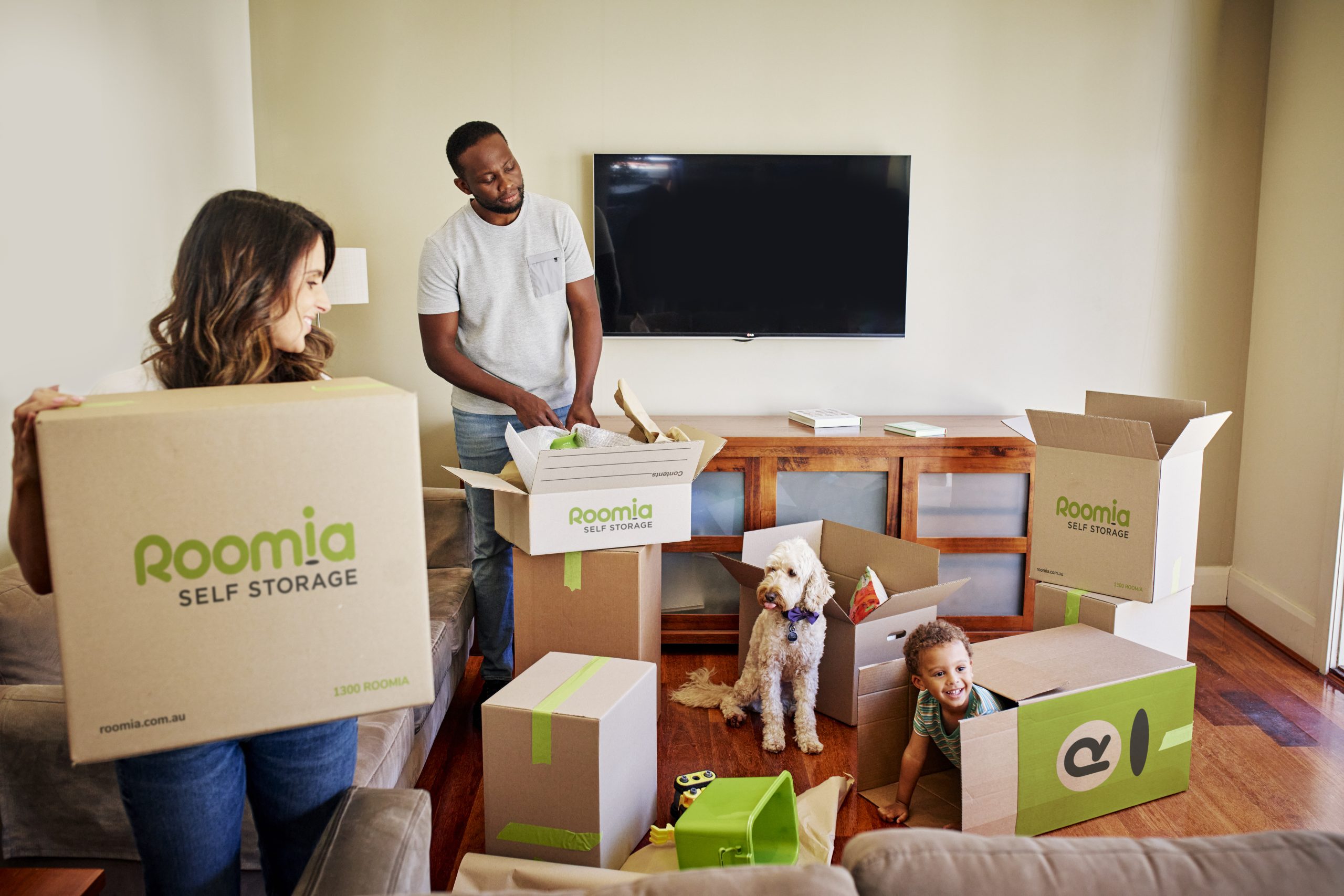
The removal truck has left, your keys are in hand, and you’re standing in a sea of boxes wondering where to start. Most people assume the stress ends once moving day is over, but the first week brings a new wave of tasks that catch you off guard. This guide walks you through exactly what to do each day and the crucial tasks people commonly forget until they cause real headaches.
Moving house ranks among life’s most stressful experiences, with research on moving stress showing that over 85% of Australians find the process overwhelming. The first week in your new home sets the tone for how smoothly you’ll settle in, which is why having a structured moving house checklist makes all the difference.
Day 1 Priorities – The Essential Tasks Most People Don’t Plan For
Day one is about survival, safety, and setting up the bare essentials. Your goal is to make the space functional enough to get through the first night comfortably.
Unpacking the Essentials Box
If you packed an essentials box, now’s the time it proves its worth. This should contain toiletries, basic kitchenware, phone chargers, medications, pyjamas, bedding, and baby or pet necessities. Many people forget where they packed these items, leading to frustrating late-night searches when exhaustion has set in.
Setting Up Bedrooms First
Exhaustion hits quickly after moving house. Having beds assembled ensures everyone gets restful sleep. Even partial setup—mattress on the floor with basic bedding—makes a huge difference for wellbeing. Focus on creating functional sleeping spaces before worrying about styling or wardrobes.
Quick Safety Checks
Take 15 minutes to confirm every door and window locks properly, especially rear and side access points. Test outdoor lighting and motion sensors. Check for obvious tripping hazards around entryways where boxes create obstacles.
Testing Utilities
Run taps to confirm hot water works. Test power outlets in multiple rooms. Check the fridge is cooling and internet is activated. Discovering utility outages late in the evening can derail your entire first week. Early testing gives you time to contact providers during business hours.
Immediate Cleaning of Critical Areas
Even if the property looks clean, moving crews and foot traffic introduce dirt. Do a fast move-in clean focusing on kitchens, bathrooms, and high-traffic flooring. Wipe benches, sanitise taps, and lay bathroom mats. This 20-minute task dramatically improves comfort.
Days 2-3: Establish a Functional Home (Before You Start Full Unpacking)
These days are about turning chaos into something workable. Prioritise rooms that impact daily life.
Kitchen Setup
Unpack essentials first: plates, mugs, cutlery, cookware, and pantry basics like oil, salt, and coffee. People commonly forget tea towels, chopping boards, and spices. Setting up the kitchen reduces reliance on takeout and helps the house feel normal faster.
Bathroom Organisation
Set up one fully functional bathroom first. Include commonly forgotten items: shower curtains, hand soap, bin liners, toothbrush holders, and extra toilet paper. Having one bathroom completely organised reduces stress for everyone.
Laundry Setup
You’ll need clean clothes and towels sooner than expected. Unpack detergent, pegs, a hamper, and an ironing board. Movers’ clothes get dirty, kids need uniforms, and fresh towels become necessary within days.
Living Room Basics
Focus on function before décor. Set up seating, charging stations, and adequate lighting. Avoid time-wasting tasks like styling bookshelves. A functional living room gives you somewhere to relax after unpacking.
Waste and Recycling Organisation
Rubbish accumulates rapidly during unpacking. Assemble bins, check local council collection days, and set up recycling systems. Knowing your bin schedule prevents missed pickups and overflowing bins.
Days 4-5: Tackle Admin, Utilities, and the Easy-to-Miss Paperwork
Administrative tasks pile up when ignored. These days prevent small oversights from becoming major problems.
Address Updates
Update your address with banks, insurance providers, driver’s licence records, Medicare, toll accounts, superannuation, subscription services, and employer payroll. Missing bills and delayed correspondence result from incomplete updates. Create a list and tick off each organisation.
Mail Redirection
Even with thorough updates, companies often continue sending mail to old addresses. Australia Post’s mail redirection service provides a safeguard by forwarding mail for one to twelve months, giving you breathing room to update every organisation gradually.
Pet Registration
Moving council areas requires updating pet microchip details and registration. This task is commonly overlooked until a lost pet emergency occurs. Update within the first week to ensure information remains current.
Utility Account Checks
Confirm electricity, gas, water, and internet are connected and transferred into your name. Check billing cycles to avoid unexpected charges. A quick verification call prevents complications.
Emergency Contact Updates
Update emergency details with schools, childcare centres, workplaces, and medical specialists. In urgent situations, outdated contact details cause dangerous delays.
Days 6-7: Create Comfort, Routine, and a Sense of ‘Home’
By this point, basic functionality is established. Now focus on making the space feel emotionally grounding.
Basic Décor Setup
Hang a few pictures, set up lamps, and add cushions or throws. Small touches bring warmth and reduce the “living in someone else’s house” feeling. You don’t need complete decorating, just enough personalisation to feel at home.
Exploring the Neighbourhood
Locate supermarkets, pharmacies, medical centres, petrol stations, playgrounds, and cafes. Knowing where these places are reduces stress when you urgently need something and helps you feel settled.
Meeting Neighbours
A friendly introduction can be valuable. Neighbours often provide helpful information about bin days, local services, and community events. Even a brief introduction builds community connections.
Planning the Rest of the Unpacking
Avoid “procrastination boxes” that never get opened. Create a room-by-room plan or assign categories to remaining days. Structured planning prevents boxes from sitting unopened for months.
New Home Safety and Maintenance Checks Most People Skip
These tasks seem minor but prevent major issues.
Smoke Alarms and CO Detectors
Test all smoke alarms by pressing the test button. Check battery levels and confirm expiry dates. Australian homes must comply with smoke alarm safety guidelines that vary by state, but monthly testing is universally recommended. Ten minutes verifying functionality could save lives.
Check for Leaks
Inspect under sinks, around toilets, behind washing machines, and shower areas for water leakage. Small leaks cause water damage and mould growth if left unnoticed. Catching leaks early allows you to report them before damage worsens.
Inspecting Appliances
Test the oven, stovetop, rangehood, dishwasher, and heating or cooling systems. Document any issues immediately to avoid disputes about pre-existing problems.
Locate Emergency Shut-Off Points
Find water, electricity, and gas shut-off valves. Knowing their locations is crucial during emergencies like burst pipes or electrical faults.
Check Exterior Areas
Inspect fencing, gates, locks, external lighting, and garage doors. Ensure outdoor areas are secure, especially if you have children or pets.
First-Week Comfort Checklist (The Small Things You’ll Wish You Did Sooner)
Stock up on commonly forgotten items:
- Pantry staples: cooking oil, salt, coffee, tea, snacks, pasta, condiments
- Lightbulbs and batteries for immediate replacements
- Curtains or blinds for privacy, especially street-facing rooms
- Cleaning supplies: brooms, mops, disinfectant, scrubbing brushes
- Drop zone setup near the front door for keys, bags, shoes, mail
- Linens and towels kept accessible
When To Call in Help (From Pros, Friends, or Storage)
You don’t have to do everything yourself.
Handyman help: Mounting TVs, installing shelves, assembling furniture, or fixing curtain rods are worth outsourcing. Professional help prevents damage and saves hours.
Cleaner support: Deep cleaning large homes, managing spaces with young children, or dealing with allergies are valid reasons to hire help. Taking pressure off yourself is sensible self-care during an exhausting week.
Using storage strategically: If your new home is smaller or cluttered, self-storage solutions provide breathing room. Temporary storage prevents overcrowding and allows systematic unpacking. Flexible options with no lock-in contracts mean you can adjust as needs change.
Your One-Week Moving House Checklist
Day 1: Unpack essentials box, set up bedrooms, conduct safety checks, test utilities, quick clean of critical areas
Days 2-3: Organise kitchen and bathroom, establish laundry area, create living room functionality, sort waste systems
Days 4-5: Update addresses, arrange mail redirection, update pet registration, verify utility accounts, update emergency contacts
Days 6-7: Add décor touches, explore neighbourhood, meet neighbours, plan remaining unpacking, complete safety checks
Final Week Wrap-Up and Helpful Next Steps
Feeling overwhelmed during your first week is completely normal. Moving house disrupts routines, drains energy, and creates more tasks than anyone anticipates. Following this structured plan helps you settle faster and prevents forgotten tasks from snowballing.
Remember that every home takes time to feel familiar. Progress, not perfection, is the goal. If you need extra space while you find your rhythm, Roomia offers secure, flexible storage across Australia with no lock-in contracts and storage unit sizes to match any need.
Ready to settle in with confidence? Find self storage near you and give yourself the space you need to make your new house feel like home.
Related Storage Tips
7 Essential Moving Tips for a Stress-Free House Move
Tips to turn moving into a smooth and efficient experience


Top Removalists in Australia: Move Stress-Free with Roomia
We’ve scoured NSW, VIC, QLD, SA, and WA to spotlight trusted removalist crews, plus a savvy checklist to nab the right one and questions to ask.