
How to store linen and bedding

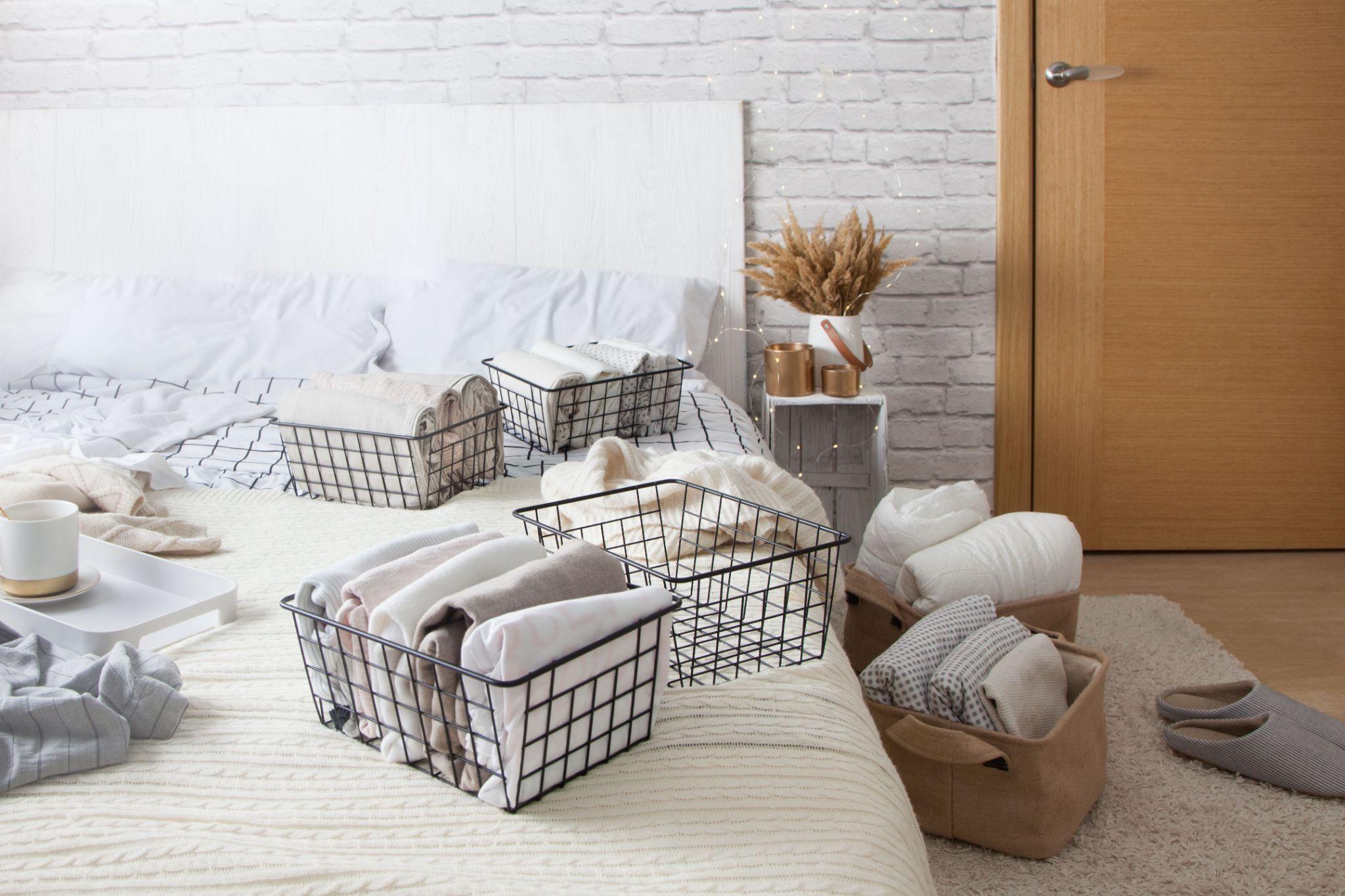
Have you ever eagerly opened your linen closet, expecting to find crisp sheets and fresh towels, only to discover everything yellowed and musty after months in storage?
Australian homes throw some serious challenges at your favourite linens – coastal humidity that breeds mould overnight, summer heat that fades fabrics, and those sneaky silverfish that think your Egyptian cotton is a five-star meal. Smart linen storage isn’t just about making space; it’s about keeping your bedding and table linens ready for guests, special occasions, and those times when you want your home to feel perfect.
Key takeaways:
- Clean everything: Even “clean” linens carry invisible oils and residues that attract pests and cause staining. A proper wash and complete dry-out prevents most storage disasters.
- Let them breathe: Cotton storage bags and acid-free boxes beat plastic every time. Your linens need airflow to stay fresh, especially in Australia’s variable climate.
- Keep it cool and steady: Consistent temperatures around 18-22°C with moderate humidity work best. Coastal areas need extra moisture control to prevent mould taking hold.
- Gentle handling pays off: Acid-free tissue between folds prevents permanent creases. Don’t cram containers full – your linens need room to maintain their shape.
- Natural protection works: Cedar blocks and lavender sachets keep moths away without harsh chemicals. A twice-yearly check catches problems before they spread.
- Consider the professionals: When home storage can’t provide the right conditions, purpose-built facilities make the difference between fresh linens and expensive replacements.
Here’s how to properly store linen with a few insider tips that professional packers and movers use daily. We’ll start with a straightforward pre-storage checklist you can action today.
How Should You Prepare Your Linen for Storage?
The difference between linens that emerge fresh and ready versus those that need replacing starts with proper preparation. Australian conditions don’t forgive shortcuts, so taking time with these steps protects your investment.
For some further expert guidance on textile care, check resources from the Australian Institute for the Conservation of Cultural Material (AICCM), which provides valuable insights for home preservation and don’t forget to read our tips to protect your furniture during storage.
Linen Storage Preparation Checklist
- Cleaning and Stain Removal:
Wash all items thoroughly, even if they look clean (use an extra rinse to remove detergent residues)
Treat and remove stains immediately: don’t let them set during storage
Consider professional dry cleaning for antique or valuable pieces
- Drying Process:
Air dry completely: avoid tumble dryers to prevent heat damage
Check seams, folds, and layers for any lingering dampness
Ensure a “bone dry” state to stop mould in humid conditions
- Inspection and Final Prep:
Inspect for any damage or pests before storing
Fold or roll with acid-free tissue in creases
Add natural pest deterrents like cedar sachets
Start with a Thorough Clean
Every piece needs a proper wash, even items that look spotless. Natural fibres are magnets for body oils, skin cells, and detergent residues that aren’t visible but create real problems during storage. These invisible nasties attract pests and cause permanent staining once they are set in warm storage conditions.
Use your regular detergent but add an extra rinse cycle to eliminate soap residue completely. For vintage pieces or family heirlooms, professional cleaning might seem expensive upfront, but it’s insurance against irreversible damage.
Stains need immediate attention – what looks minor now becomes permanent after months in storage, especially in Australia’s warm, humid conditions.
For stains, act fast: untreated ones become permanent in storage, especially in warm, moist environments common across much of Australia.
Drying Properly to Combat Humidity
This step separates successful storage from disaster, particularly in coastal areas where humidity regularly hits 70-90%. Everything must be bone dry before packing – any lingering moisture creates perfect mould conditions that spread through entire collections.
Air drying prevents heat damage while ensuring complete moisture removal. Pay special attention to thick areas like hems and seams where water loves to hide. In humid locations, extend drying time or use a dehumidifier to guarantee complete dryness.
If you’re preparing linens during a house move, our moving house checklist includes helpful timing tips for managing your time efficiently during busy transitions.
Pro Tip: Just like thorough preparation sets your linens up for success, choosing a storage spot with stable conditions is crucial. Facilities like Roomia offer units with easy access, perfect for when humidity gets out of hand.
Choosing the Right Storage Containers for Linen in Australia
Your container choice makes or breaks long-term storage success. Australia’s diverse climate demands breathable solutions that prevent moisture buildup while keeping dust and pests out.
Linen Storage Container Comparison
| Container Type | Cost Range | Pros | Cons | Best For |
|---|---|---|---|---|
| Acid-Free Boxes | $30-150 | pH-neutral, breathable, prevents yellowing | Higher upfront cost | Long-term storage, heirlooms |
| Cotton Bags | $40-120 | Natural, flexible, pest-deterrent | Less structured protection | Everyday linens, irregular shapes |
| Plastic Containers (Type 5 Polyethylene only) | $20-50 | Inexpensive, short-term use | Traps moisture, off-gassing risks | Temporary storage (under 6 months) |
Acid-Free Archival Boxes
These museum-grade options from Aussie suppliers like Kazzi Kovers or Luca Living prevent acid migration that yellows linen over decades. They’re breathable, allowing air circulation, crucial in our coastal humidity, and are suitable for long-term storage without chemical reactions.
Cotton Storage Bags
Cotton storage bags provide natural breathability while protecting against dust and insects. They’re flexible enough to fit awkward spaces and their natural fibres actually help repel pests without chemicals.
Plastic Container Warnings
Standard plastic containers might seem convenient, but they trap moisture and can cause mould problems in humid conditions. They can also off-gas chemicals that may affect delicate fabrics over time. If you must use plastic for short-term storage (under 6 months), choose food-grade containers and include silica gel packets to absorb excess moisture.
How Do You Prevent Pests in Australian Linen Storage?
Natural fibres attract several common Australian pests, including clothes moths, carpet beetles, silverfish, and cockroaches. Australia’s warm conditions make these insect problems particularly common. Natural deterrents work effectively without introducing harsh chemicals around your linens.
Pest Prevention Guide
| Method | Key Ingredients | Duration | Price Range |
|---|---|---|---|
| Cedar Products | Red cedar oil (up to 70%) | 6-12 months | $15-50 |
| Essential Oil Sachets | Lavender, rosemary, eucalyptus | 3-6 months | $10-30 |
| Combined Systems | Cedar + oils | 6 months | $20-60 |
Cedar Protection
Cedar blocks or sachets contain natural oils that disrupt the behaviour of clothes moths and carpet beetles, two of the most destructive fabric pests. Place them in storage containers or hang them in storage areas for best circulation. You can refresh cedar’s effectiveness by lightly sanding the surface to release fresh oils.
Essential Oil Deterrents
Lavender sachets not only smell pleasant but also naturally repel moths and silverfish. You can also place cotton balls with a few drops of eucalyptus, cedar, or lavender oil in storage containers. These need refreshing every few months, especially in humid northern Australian conditions.
Skip Chemical Mothballs
Traditional mothballs are toxic to people and pets, can cause respiratory issues, and may damage fabrics. Natural alternatives are safer for your family and just as effective against the same pests.
What About Vacuum Storage for Linen?
Damage Risks
Compression creates permanent creases in natural fibres, flattening the structure within months. Beyond around 6 months, damage is irreversible, especially in heat.
Moisture Concerns
Sealed bags trap humidity, perfect for mould in our climate and plastic off-gassing adds discolouration risks.
How Should You Maintain Stored Linen in Australian Seasons?
Seasonal Maintenance Schedule for Australian Conditions
| Season | Northern Australia (Tropical) | Southern Australia (Temperate) | Key Tasks |
|---|---|---|---|
| Summer (Dec-Feb) | Wet season – monthly checks | Peak heat – bi-weekly monitoring | Check humidity, refresh pest controls, inspect for mould |
| Autumn (Mar-May) | Dry season starts – deep clean | Cooling period – major inspections | Rotate sets, clean storage areas, log conditions |
| Winter (Jun-Aug) | Dry season – ideal for repairs | Cooler storage season | Full inspections, pest refresh, temperature checks |
| Spring (Sep-Nov) | Pre-wet prep | Warming up – pre-use checks | Air out items, test for damage, reorganise |
Simple Linen Storage Tips
Regular Check-ups
Inspect stored linens every six months, looking for any signs of moisture, pests, or damage. This regular monitoring helps catch problems early before they become serious issues.
Seasonal Rotation
If you store seasonal bedding, consider rotating sets regularly. Have one in use, one being cleaned, one in storage. This system prevents any single set from sitting unused for too long and helps you spot potential issues through regular handling.
When Home Linen Storage Isn’t Enough
Sometimes home storage spaces just don’t provide the right conditions for keeping linens in great shape. Spare rooms, linen closets, and built-in cupboards may lack proper ventilation. Garages and sheds are even worse, with extreme temperature swings and humidity fluctuations that can damage delicate fabrics quickly. Many rental properties also have limited storage space, making it difficult to store seasonal bedding properly.
Benefits of Professional Facilities
Storage facilities provides extra space, security and pest control, that home storage often lacks.
With Roomia’s personal storage solutions, you get more than just space. Our on-site managers can offer advice on protecting your stored items. Plus, with 24/7 access and no lock-in contracts, you can access your linens whenever you need them without the restrictions of traditional storage.
Roomia’s Specialised Linen Storage Solutions
- Protect against pests and dust in secure, purpose-built storage environments.
- Easily access seasonal sets with wide aisles, covered bays, and 24/7 electronic entry.
- Stay flexible with no lock-in contracts and unit sizes to suit both spare linen cupboards or bulk commercial stock.
- Store sustainably in eco-powered facilities designed with the environment in mind.
Ready to keep your linens in pristine condition year-round? Find your nearest Roomia location today:
Conclusion
Smart linen storage protects both your budget and your comfort. Quality bedding and table linens represent significant investments that deserve proper care. Whether you’re storing seasonal items, clearing space during renovations, or preserving special pieces for future use, the right approach ensures everything stays pristine.
The combination of thorough preparation and appropriate storage containers works regardless of whether you choose home or professional storage. However, if you’re looking to create more room in your life, professional storage facilities are a practical choice for maintaining optimal conditions.
Ready to give your linens the protection they deserve?
With flexible access, no lock-in contracts, and on-site management that understands textile care, we make it easy to keep your finest linens in perfect condition. Find your nearest Roomia location and discover why Australian families trust us to protect their most valued household items.
Related Storage Tips

How Long Does It Take to Move House in Australia?
Moving house is a big life change — and for most Australians, it’s one they’ll do around 13 times in their life. While every move is different, it’s rarely stress-free: 85.3% of people say moving is stressful, and for older Australians, it’s even more challenging, with 76.5% feeling overwhelmed by clutter compared to 56.5% of younger movers. Whether you're relocating across town or starting fresh in a new state, knowing what to expect can help you plan and breathe a little easier.


Boost Sales on Facebook Marketplace Before Moving with Roomia
Moving house is the perfect opportunity to declutter—and Facebook Marketplace is your secret weapon for offloading the extras while making a bit of cash. Whether it’s that comfy-but-clunky old couch, a drawer full of kitchen gadgets, or the surfboard you meant to use, selling before you move lightens the load and simplifies your move.